
Youth mental health in Ghana

Most young Ghanaians who need mental health care are never found. We go looking.

Snuggli Health equips community mental health officers with culturally grounded screening tools to find young people who are struggling — and gives those young people support in their hands while they wait for care.

0
young people screened
75+
community officers
1 in 3
needed onward care
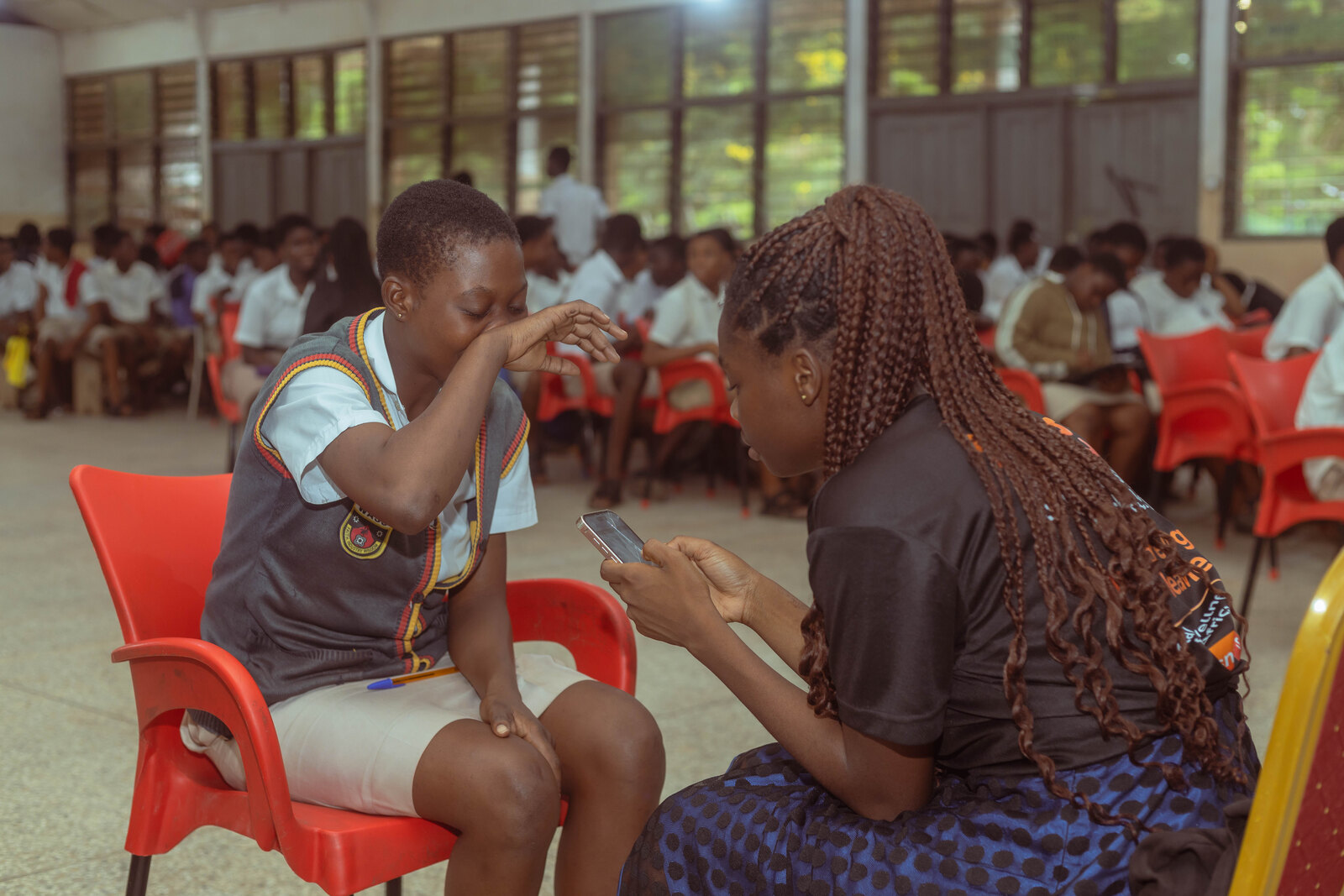
A community mental health officer screening a young student in a school hall in Ghana
Greater Accra · Ghana screening, 2026
Field evidence · Ghana, June 2026

We asked 209 young people how they were doing. The answers were not subtle.

Working with 50 volunteer community mental health officers across Greater Accra and Oti, we ran structured screenings in schools and community settings. Sadness, worry and sleep disturbance appeared together in over half of screenings. Self-harm concerns appeared in roughly one in four. Reports of trauma in two in five.

These young people were not unusually unwell. They were unusually asked.
A student addressing peers in a school hall during a screening session
What we have not solved

Finding people is the part we have proven. Getting them care is the part Ghana has not.

One in three young people we screened needed onward care. Almost all of them were referred to a single psychiatric hospital. Screening more people without building referral capacity does not close the gap — it moves the bottleneck downstream.

So we are building both halves.

Sentra finds people

and tracks whether the care we referred actually happened — including the referrals that stalled.

Snuggli supports the wait

giving young people real support in their hands during the weeks (or months) before a referral turns into an appointment.

We work with the system

alongside Ghana's mental health system, not around it — because a national system is the only thing that reaches everyone.

How it works

Two tools. One question: did this young person actually get help?

01
For the people doing the finding

Sentra

Community officers, nurses and counsellors use Sentra to screen young people, record what they find, make referrals, and see which referrals were never completed. It works offline, because the places that need it most have the worst connectivity.

  • Screen consistently, even with no clinical specialist present
  • See every referral that stalled — the follow-up nobody currently tracks
  • Give supervisors real visibility instead of paper returns
How Sentra works
02
For the young person

Snuggli

A private, free app where a young person can name what they are feeling in 60 seconds, talk to a companion that listens without judgement, and find real help — including in the weeks before a referral turns into an appointment.

  • Free for young people, always
  • Built around how distress is actually expressed in Ghana — local language, family context, physical symptoms
  • Escalates to a human when there is risk. It never diagnoses and never replaces care
How Snuggli works
Designed where it is used

Built for how care actually works here.

Ghana has a handful of psychiatrists for tens of millions of people. Care will not come from specialists alone — it comes from the nurse, the community officer, the teacher who notices first. Our tools are built for them.

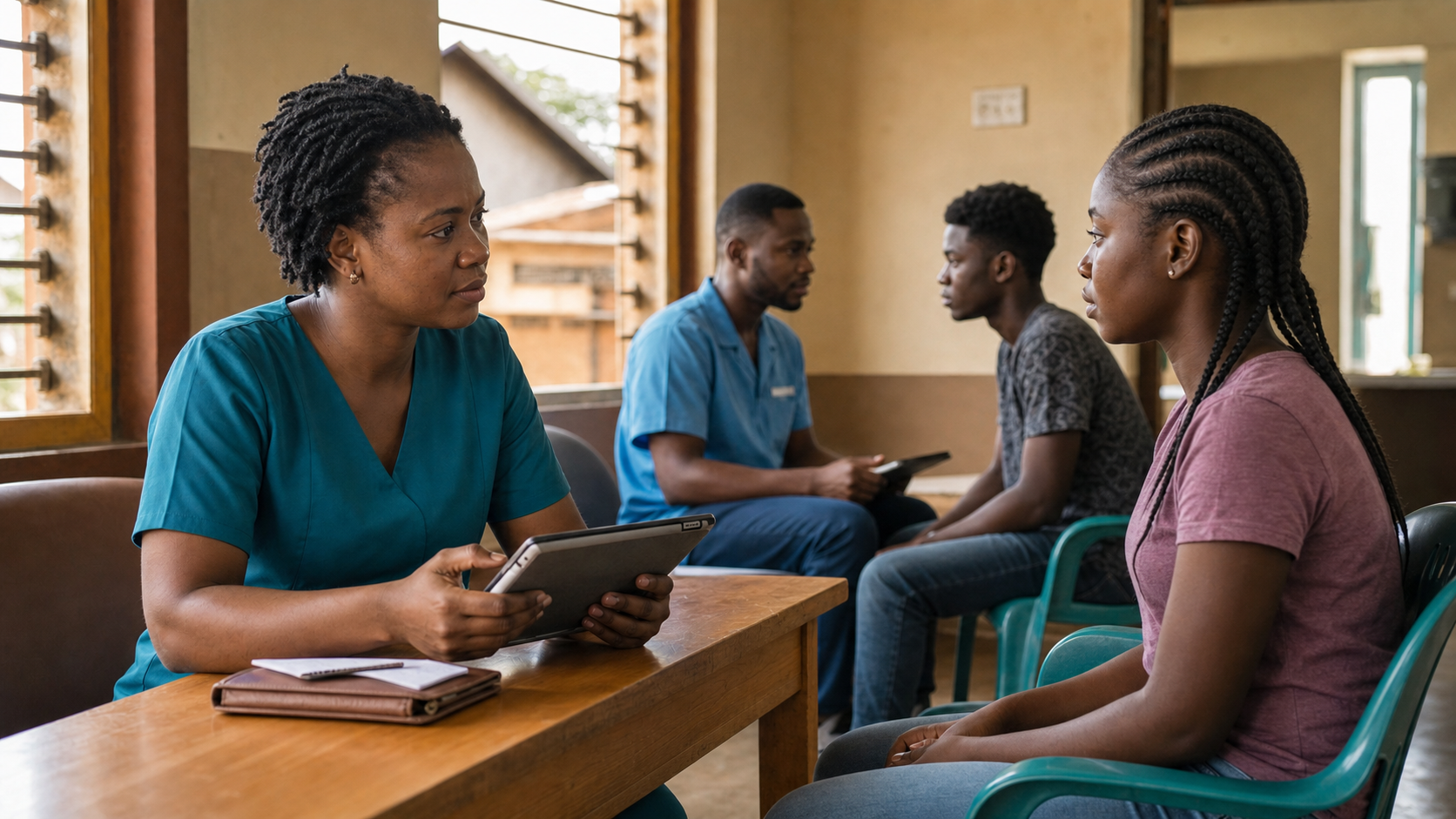
A community mental health officer screening a young person in Ghana

Care comes from people first

Ghana has a handful of psychiatrists for tens of millions of people. Care will not come from specialists alone — it comes from the nurse, the community officer, the teacher who notices first.

Built for non-specialists

Our tools are quick to learn and usable by the people already in the room, so screening can happen with or without a clinical specialist present.

Offline-capable

The places that need it most have the worst connectivity. Sentra runs offline and syncs later.

Grounded in how Ghanaians talk about distress

Distress is expressed through family, faith, the body, and social pressure — not textbook symptom lists. Our screening is built around that.

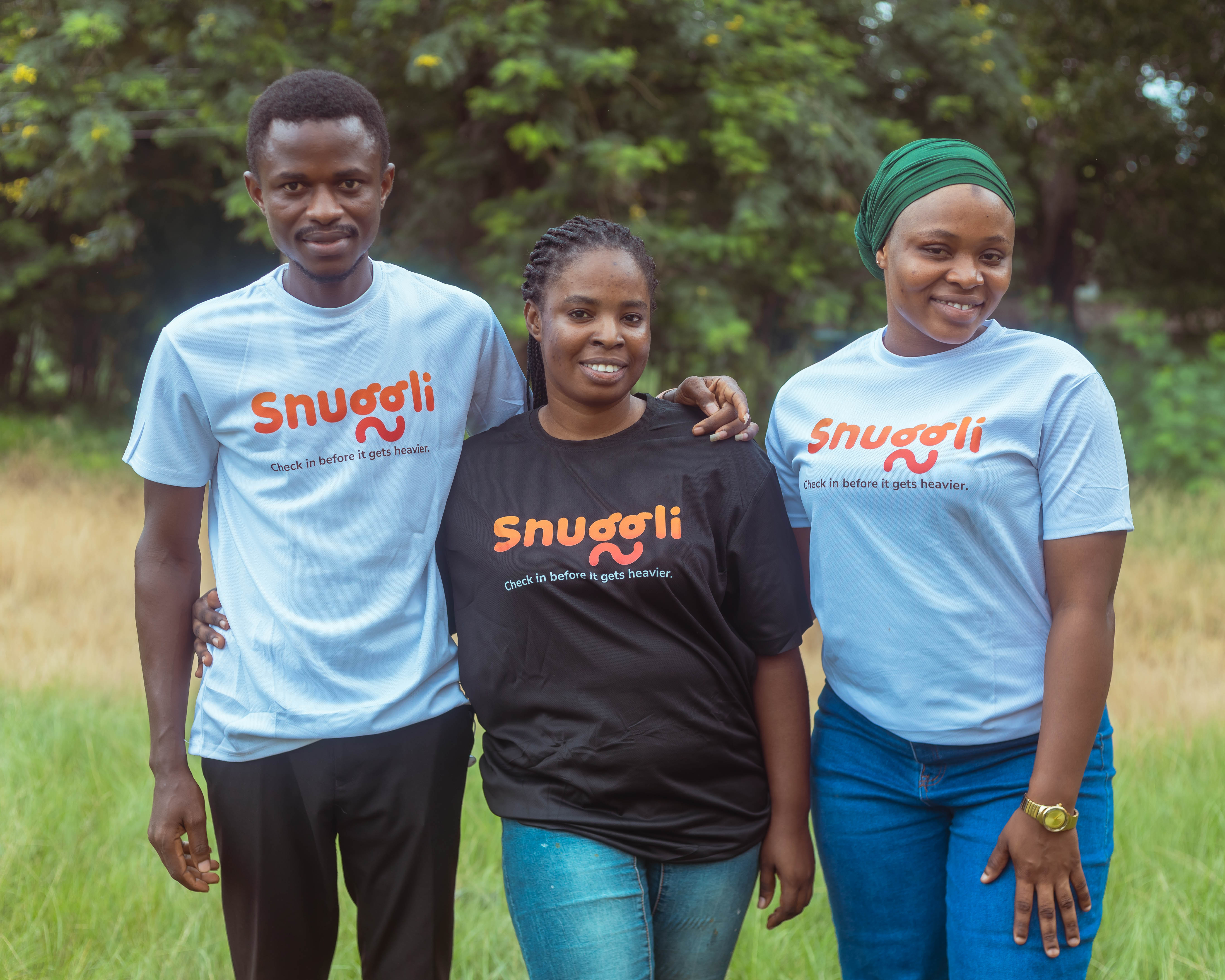
The Snuggli Health team in Ghana wearing Snuggli t-shirts
The team

Built in Ghana, by people who work here.

Snuggli Health was founded by Kwame Owusu Ansah, a Ghanaian entrepreneur and health-technology builder. Our clinical direction is guided by Ghanaian psychiatrists and mental health practitioners, including advisers working inside Ghana's Mental Health Authority.

The people who ran the Ghana screenings — 50 volunteer community mental health officers — are part of this story. They are the ones who proved the model works in the field.

Safety & Governance

Human-led. AI-assisted. Honest about what's built.

Mental health technology must be safe before it is scalable. We use AI to support reflection, documentation, routing, and workflow visibility — while keeping high-risk decisions, escalation, and clinical judgment human-led.

We publish what our tools can and cannot do, and we are candid about what is still being built.

Human review

AI-assisted outputs are reviewable and editable.

Clinical boundaries

AI does not diagnose, prescribe, or close cases.

Escalation pathways

High-risk cases require human-led safety workflows.

Role-based access

Users see only what they are allowed to see.

Evidence trails

Actions, referrals, follow-ups, and closures are logged.

Privacy by design

Sensitive mental health data is handled with clear governance controls.

Partner with us

Two ways to work with us.

For funders and partners

Fund this work

We are raising philanthropic support to run screening at scale across three regions of Ghana and to build the referral follow-up that makes it count.

Talk to us about funding

For schools, clinics, NGOs and health services

Deploy our tools

If you work with young people and want a structured way to find those who need help, we would like to talk.

Talk to us about deployment